I’m going to keep this one quite brief for now – I have more content about this planned – but recently, I had the opportunity to tick something big off my bucket list that’s been on there since I was little. In October 1986, I saw Queen’s Wembley gig broadcast on TV. It began with some clips of the stage build in timelapse. I was instantly hooked.
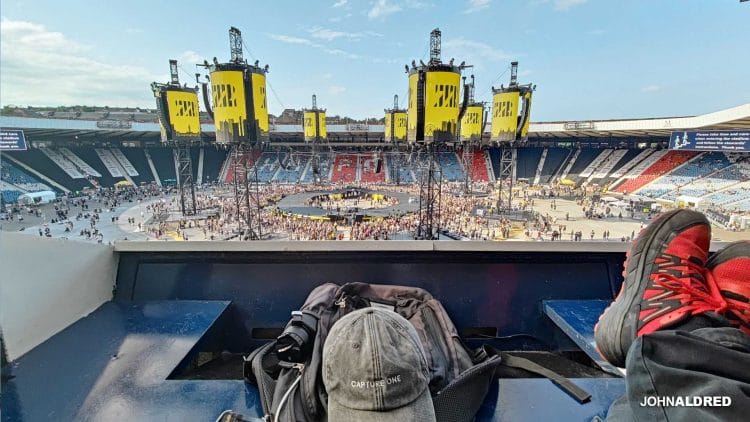
I knew I wanted to see more of that and one day, maybe even make one. Exactly how I’d do that, I had no idea, but I knew I wanted to. Well, in June – in a way I could have never predicted – I finally found myself doing it, with the construction of Metallica’s M72 tour stage at Scotland’s national stadium, Hampden Park.
There’s a lot that went into making this, beginning long before doing this was ever a thing I knew was happening, and this post doesn’t go in-depth, just lays out a little backstory. I’ve had a few people asking about the hardware I used to control the cameras that shot everything, so this lays out that rough timeline.
The original prototype (2020)
The boards I ended up using for this began as a proof of concept I built for a long-term timelapse job beginning 2020 that ended up falling through when the world shut down. This explains what I was building then, and how everything comes together. It’s a little different now, but mostly just upgrades, not changes in tech.
Making ’em fancy (2024)
In 2024, JLCPCB reached out to me about sponsoring a video. I had no firm timelapse plans, but I did want to start working on this project again, so I had them make me some boards – which have since become Growlapse – to use while I learned how to do SMD soldering with a hotplate.
The cameras
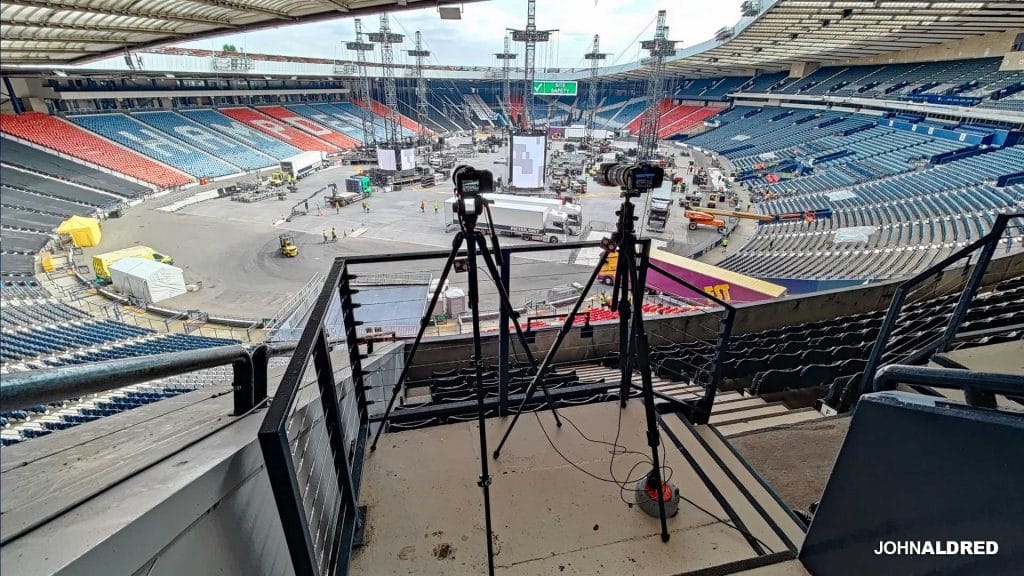
Over the course of four days, a mix of Nikon DSLRs, Canon and Panasonic mirrorless cameras were used to shoot the sequences. All images were shot raw and converted to DNG for editing, which made matching the footage from the different brands and models of cameras pretty straightforward in DaVinci Resolve.
A couple remained static throughout the four-day duration to capture the wide shots. The telephoto lenses were moved every hour or so each day to point at whatever visually interesting stage of the process came next.
The code
The code still needs some work. Every time I’ve used these boards (and the prototype before them), I’ve written code specifically for the project with hardcoded values. If I want to change them, I plug in a laptop, recompile the code and reupload.
For Metallica, I started to rewrite the code to take advantage of the ESP32-S3’s built-in WiFi. Now, I can just connect to the intervalometer’s WiFi and control everything through a web-based UI on my phone.
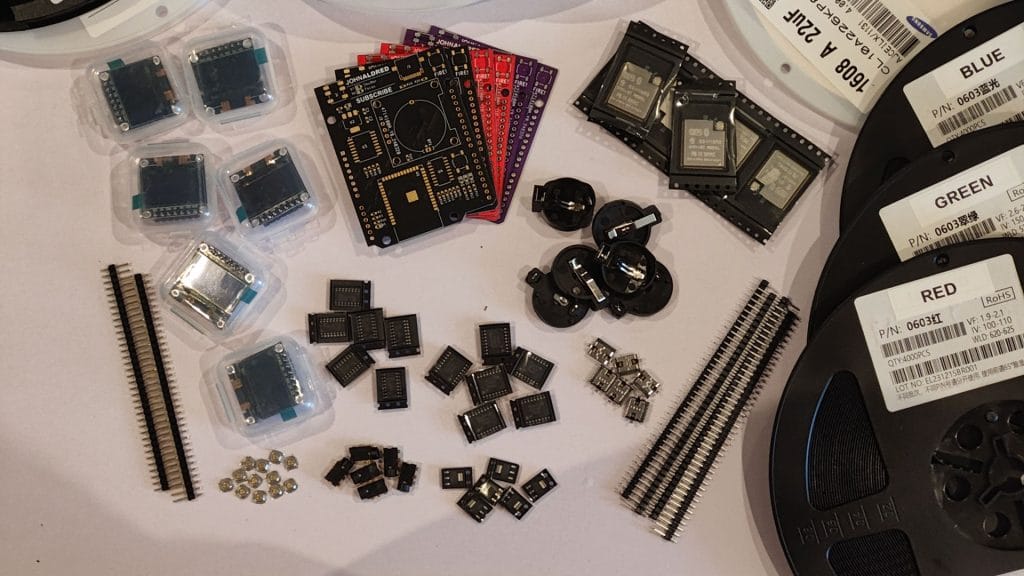
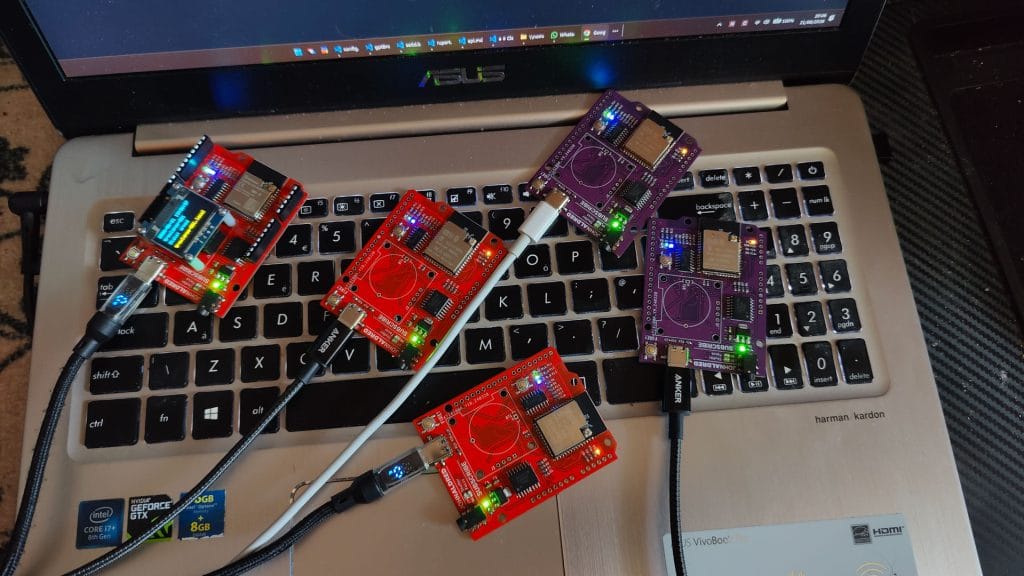
I have big plans for this board in the future, and I will have an open source version up on GitHub at some point. To find out when that happens, keep an eye on the Growlapse website.
Other stuff…
Also keep an eye on the Moshville Times website, because I might have an interview being published there soon, going into more depth about how I planned, shot and edited the whole thing.
I’ll add some follow-up posts here as time allows. There are a few neat features and principles I want to geek out on in other posts, so it’ll happen eventually.